



Super El Niño | The US National Oceanic and Atmospheric Administration (ANOAA) announced that El Nino conditions have started in the Pacific Ocean. Scientists have warned that it is likely to reach its peak soon (between July-September).
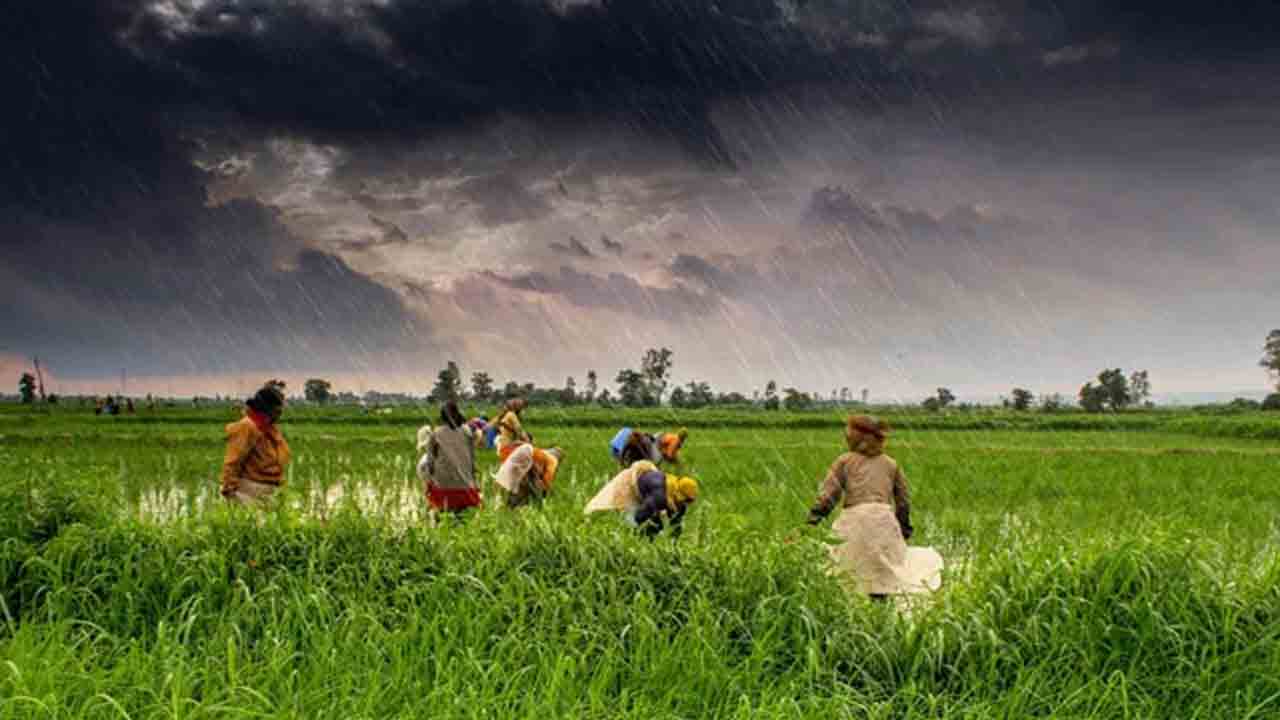
Super El Niño | Hyderabad, June 12 (Namaste Telangana): The US National Oceanic and Atmospheric Administration (ANOAA) has announced that El Nino conditions have started in the Pacific Ocean. Scientists have warned that it is likely to reach its peak soon (between July-September). He said that this El Nino coming this time will be the strongest in this century and it is called ‘Super El Nino’.
UN Secretary-General Antonio Guterres described it as an ‘urgent climate warning’. El Niño is the result of abnormal warming of the surface waters of the Pacific Ocean near the equator. It affects rainfall and temperatures globally. Scientists say that in the winter of 2026-27, its impact will be greater on the Northern Hemisphere.
Due to these climate changes, 2027 is predicted to be the hottest year in the world. Due to its impact, there is a risk of increasing uncertainty in the climate and disrupting the food supply around the world. The impact of El Niño varies from region to region, while it reduces the intensity of hurricanes in the Atlantic region, while it is likely to increase the threat in the Pacific region. It is being warned that it will have a greater impact on the winter in America, heavy rains and floods are likely to occur in some parts of South America, and there may be a combined effect of drought and floods in Africa.
Impact on India.. food shortage
Climate changes caused by El Nino are expected to damage global food supply, scientists said. They warn that there is a risk of damage to crops like maize and rice. It is expected to have a major impact on India, Indonesia and Brazil. It is expected that due to El Nino, the heat waves will intensify in India. Earlier during the ‘Super El Niño’ of 2015-16, the country recorded only 86% of the average rainfall. Scientists know that not only El Niño, but other weather factors also affect the domestic monsoons.