


Move over, McKinsey & Company. Maxmise is here to take over — at least in the world of online streaming. Maxmise is a fictitious consulting firm where Xu Chi (played by Zhao Jinmai), the star character of Irreplaceable, a new Chinese drama on Netflix, works.
The drama debuted in the top 10 shows on Netflix for India in late September and catalogues the cut-throat life of a management consultant in a way that makes actors George Clooney and Anna Kendrick’s shenanigans in Up in the Air seem like a walk in the park.
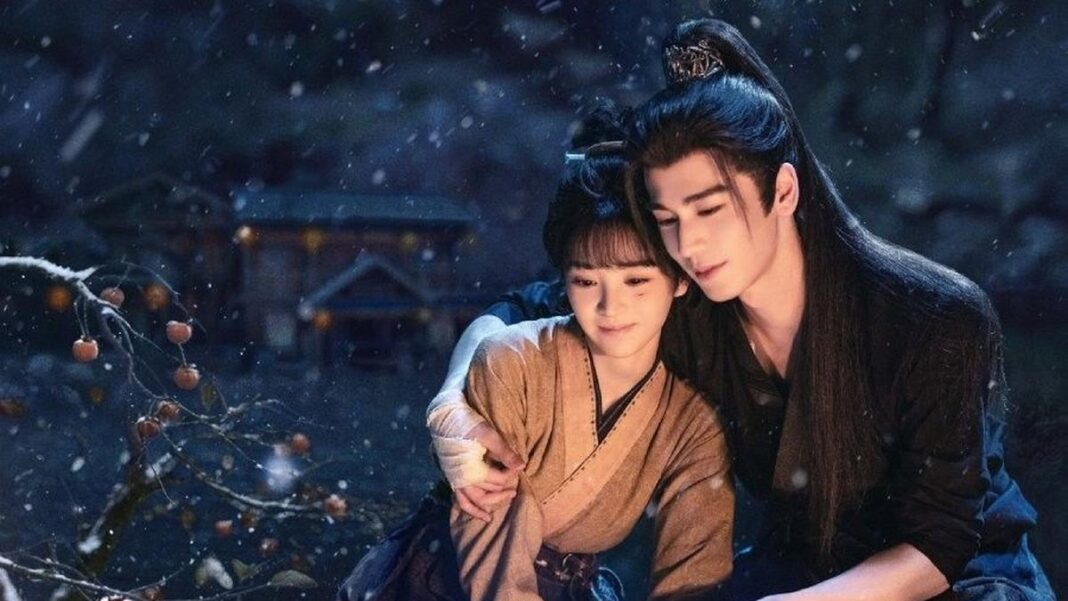
The two leads of Irreplaceable
If, like me, you watch Asian dramas, you could not have missed the rise of the newish kid on the block, Chinese dramas or C-dramas, in the last year or so. Back in 2024, a study published in the journal Television & New Media by Anubha Sarkar of City, University of London and Xiao Yang of the University of Melbourne found that China’s streaming platforms “prioritize regions with cultural proximity, such as Southeast Asia, over Western audiences… China’s regulations enable local platforms like iQIYI to thrive, resisting Western platform dominance. These platforms also distribute C-dramas overseas, focusing on the Chinese diaspora”.
That scenario seems to be changing, with more and more international audiences becoming interested in C-dramas streaming on platforms such as Netflix and Rakuten Viki. While there seem to be meagre reviews of these shows in Western media, the numbers tell a story of their own: according to Netflix’s companion website Tudum, The Early Spring, a C-drama released at the end of August, stayed in the top 10 global list of non-English shows for four weeks straight and garnered up to 3.5 million views.
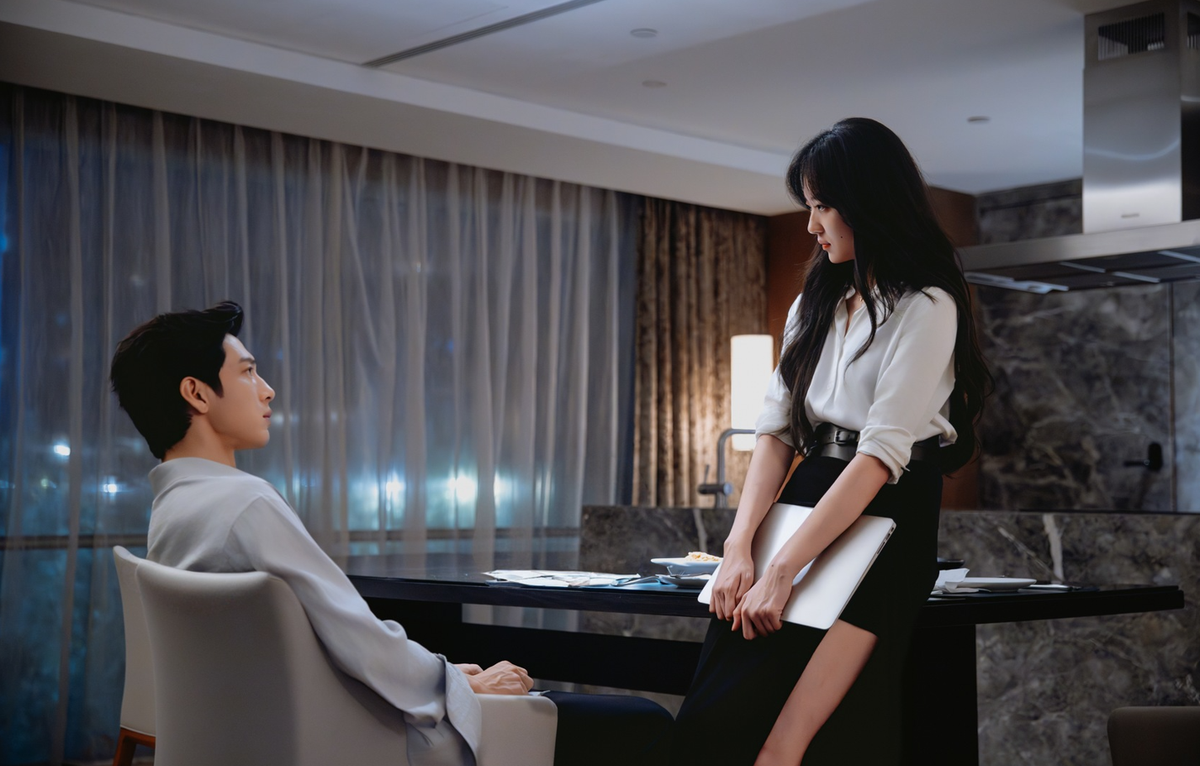
A still from The Early Spring
China has three major platforms — iQIYI, Tencent Video, and Youku — which broadcast dramas that have been cleared by state regulators. Netflix, which is not available in China, does not commission shows there and only broadcasts dramas commissioned by the Chinese platforms.
India is no different. The show was at no. 4 in the non-English India top 10 list. “I have been watching Korean dramas since a little before the pandemic, but in the last couple of years, I have actually watched more C-dramas than K-dramas,” says Mehul Sharma, a final-year law student. “[The more you watch] you pick up on the glorification [of the country], but the storytelling has been getting strong.”
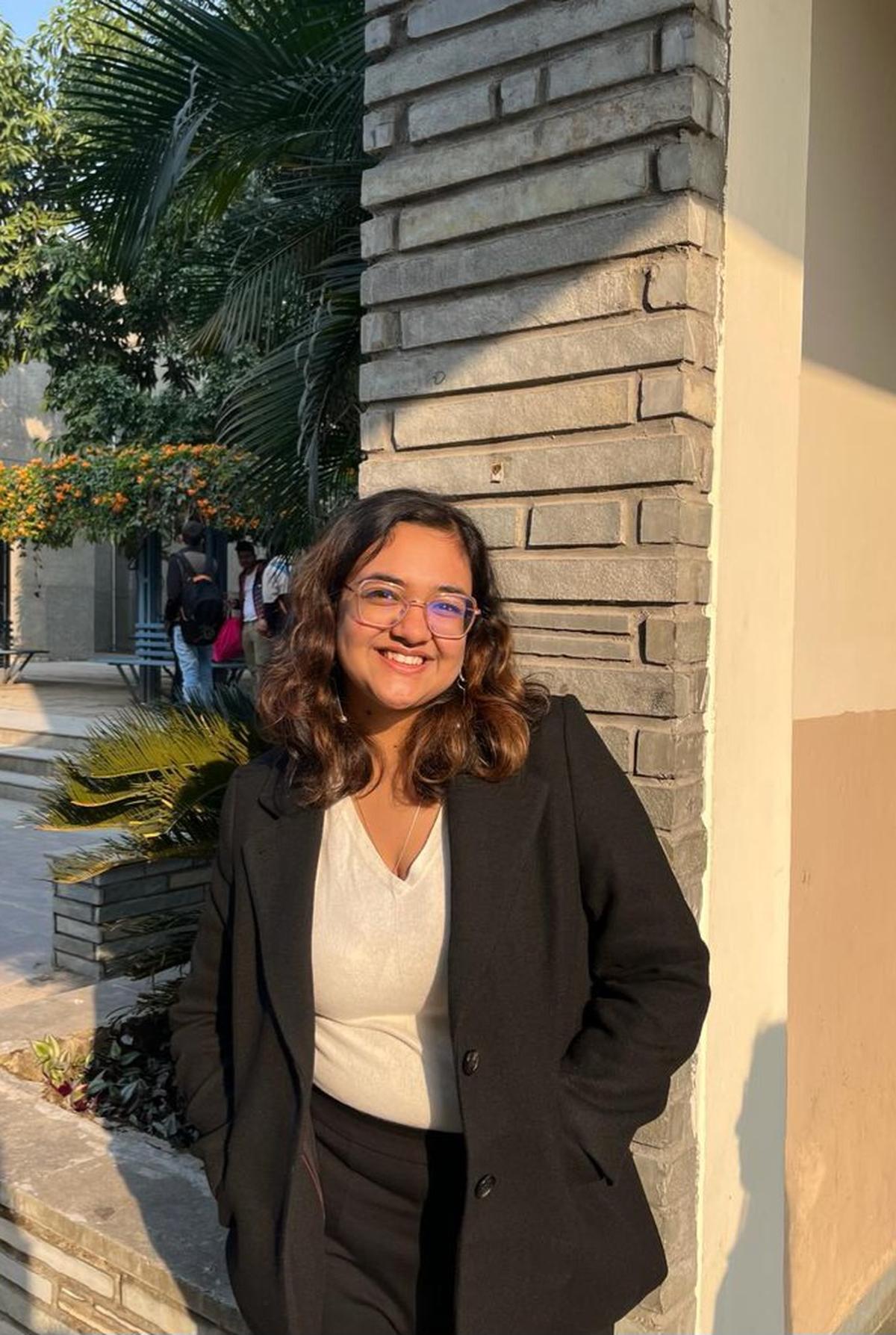
Mehul Sharma watches more C-dramas than K-dramas now
A twist in the tale
Chinese storytellers and directors have perhaps studied the Hallyu wave, the global rise of Korean pop culture and lifestyle that began in the last 1990s, and decided to create their own version of it. Make no mistake though: the Chinese playbook is not a copy of the Korean one. Korea exported a lifestyle. You watch a K-drama and want the ramyeon, the skincare, the aesthetic of Seoul and the K-pop idols. The show is a shop window, and the state built an export industry behind it.

“I got introduced to C-dramas at a Comic Con and then a Reddit forum a few years ago. The storytelling, plots, and relationships are very different from what I have explored in Western books or other media. Many C-dramas are based on Chinese novels, webtoons or manhua [comics]. For example, ‘The Prisoner of Beauty’ was based on a 2016 web novel ‘Zhe Yao’ [by Penglai Ke]. I am actually getting into reading the authors whose works have been dramatised.”Shweta TanejaA science and speculative fiction author who likes to watch wuxia drama

Shweta Taneja
Meanwhile, China’s entertainment industry is selling something less portable. They are showcasing their edge in technology, their modern cities and lesser-known tourist spots and, of course, their professionalism. They are also bringing their festivals into your living room along with the hotpots, love for all things feline, traditional architecture and medicine. “The difference is that China has a much broader cultural canvas to work with. With Koreans, it was kind of a package of K-pop and beauty products,” explains Aparna Divya, a Ph.D candidate at School of International Relations and Public Affairs at Fudan University in China, specialising in international politics. “China can do all of that, and also draw on this huge historical and civilisational tradition. It is in a different position from Korea because it is already globally visible as an economic and political power. So, the cultural wave is somewhat an extension now.”

Whether it was The Early Spring (2026), Pursuit of Jade (2026), Shine on Me (2025), Love Between Lines (2026) or The Prisoner of Beauty (2025), Chinese dramas across genres are slowly inching ahead of the Korean shows on international streaming platforms. “K-dramas have fallen deeply into a template format. They are not moving beyond stereotypes,” says Puja Talwar, former entertainment editor at NDTV and a writer who specialises in Korean pop culture. “We all know that in a K-drama nowadays, the childhood connection will emerge, or amnesia or trauma from bullying will show up. The kiss will happen in the sixth episode, the break-up in the ninth or tenth and then all will be well in the twelfth or sixteenth episode, depending on the length of the show. What was fresh a few years back is now a sanitised package tailored to Western audiences’ expectations.”
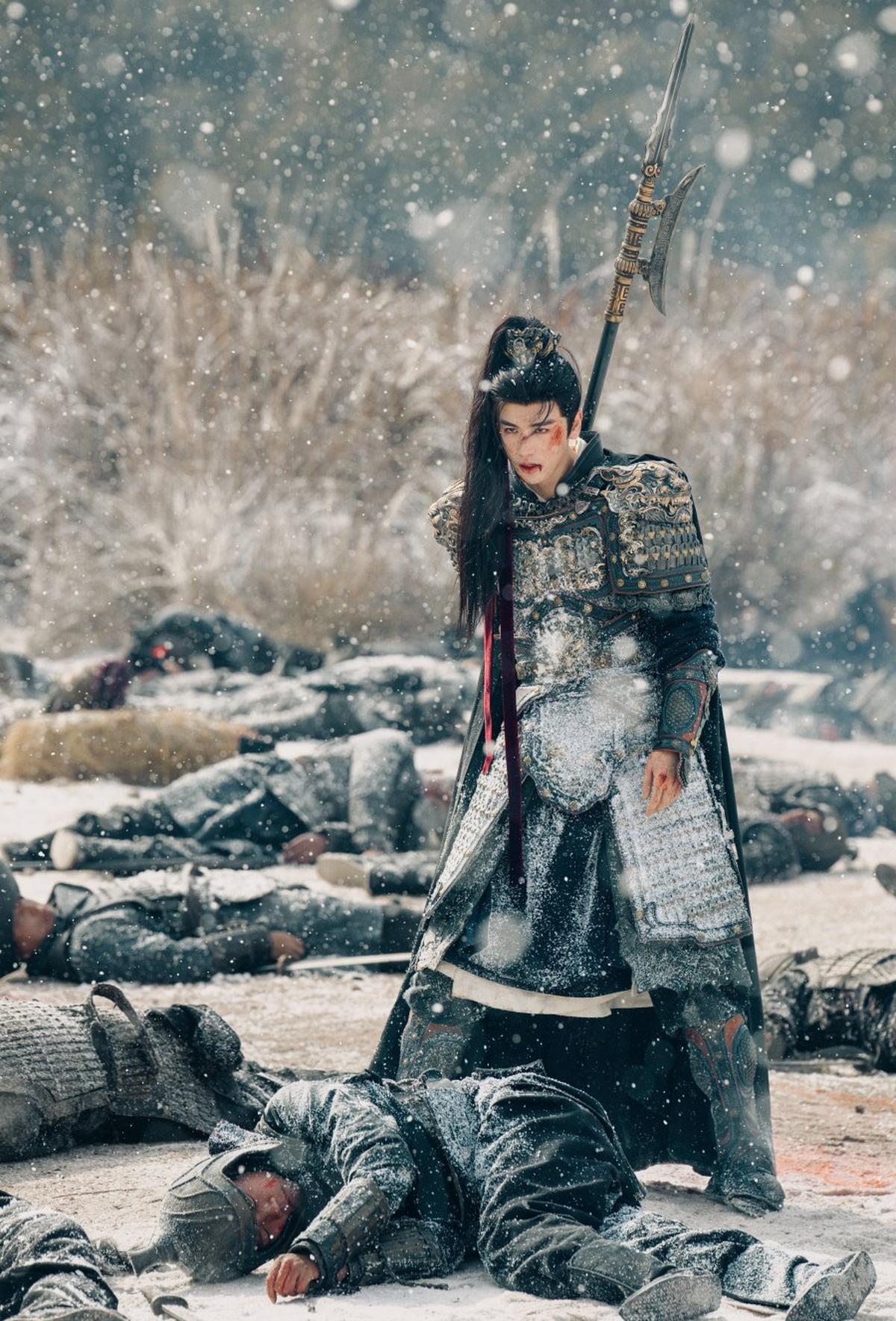
A still from Pursuit of Jade
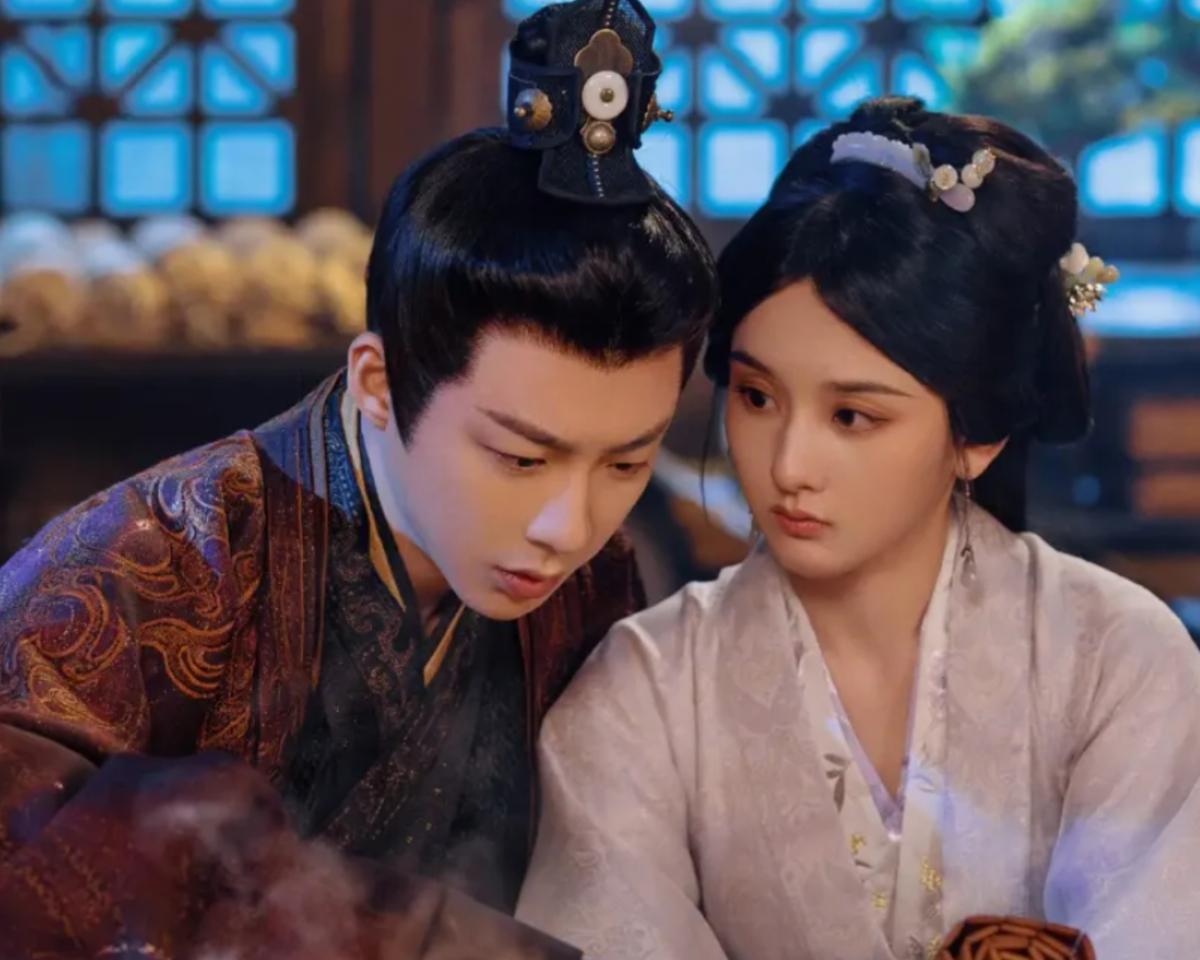
The Prisoner of Beauty

Shine on Me
The Chinese, on the other hand, are exploring stories seldom seen. “Take the example of the 2020 show Go Ahead [on Rakuten Viki], which was about two fathers raising three children, one an orphan, on their own,” she adds. “Or the 2026 show Love Story in the 1970s [on Rakuten Viki, about a young woman working in a factory who wants to go to college] which gives a glimpse of Maoist China, the Cultural Revolution and how it impacted families. Where the C-dramas are scoring is in allowing the storyline to give audiences flawed characters such as Luan Nian in The Early Spring. Unlike in Korean stories, they are giving you people who are not necessarily templates of perfection.”
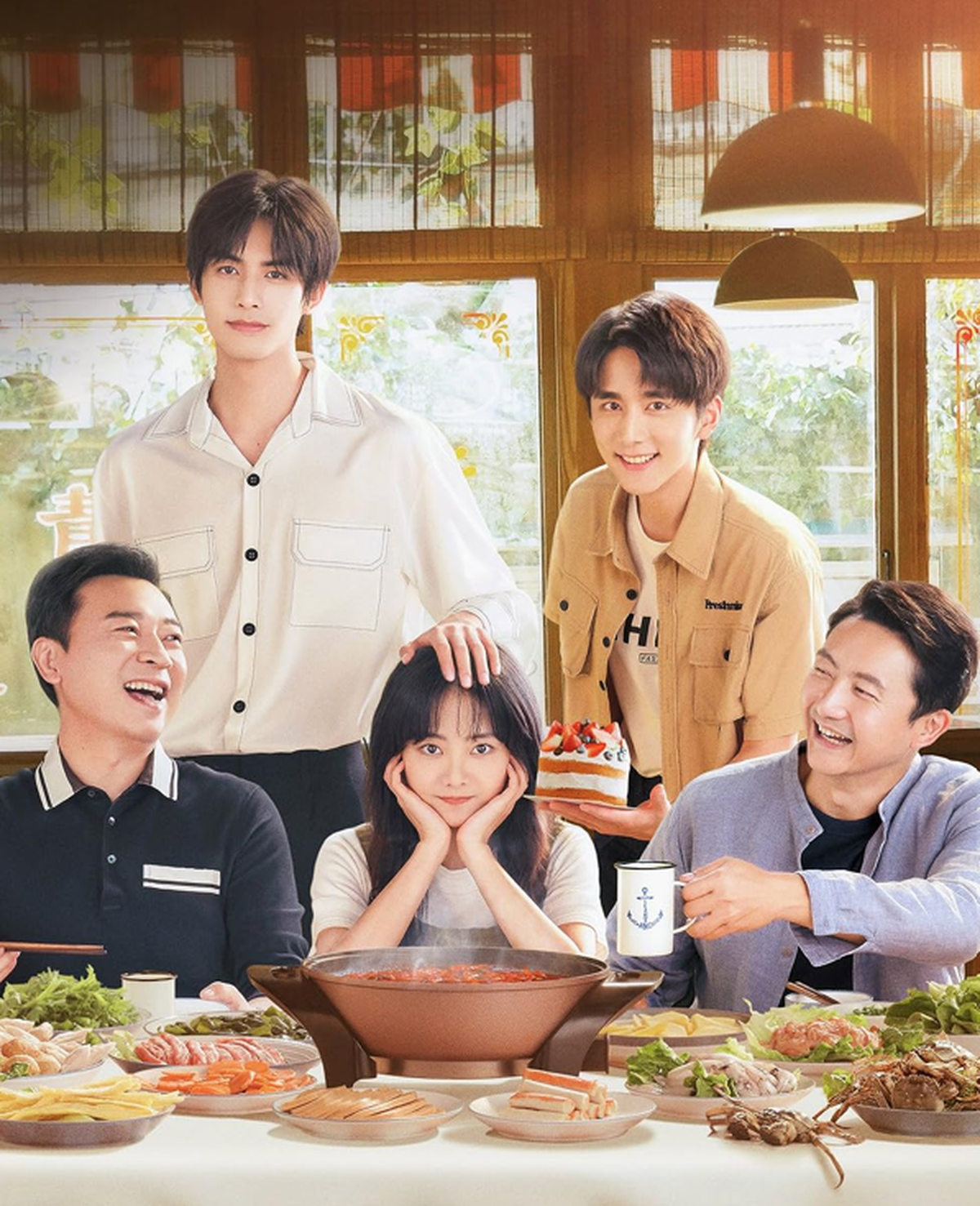
Go Ahead is about two fathers raising three children on their own
Spring is here
In August, actor Jing Boran as Luan Nian from The Early Spring won over the audience on Netflix with his portrayal of an alpha ad executive who is softer than he lets on. Clad in couture, which the actor reportedly sourced from his own personal wardrobe, Chanel’s Coco Crush jewellery, and Christian Louboutin dress shoes, Jing brought to life memories of the early days of Don Draper aka Jon Hamm in Mad Men. While Luan Nian is as much a red flag as Draper, he is also a character steeped in Chinese culture, who makes osmanthus milk [a light, floral drink] for his girlfriend Shang Zhitao, babysits her Samoyed dog, and spends Chinese New Year at home with his parents. Multiple Reddit forums were abuzz with discussion about his clothes, his toxicity as the boss, the power imbalance, and how “he wasn’t acting, he was literally living the role”.
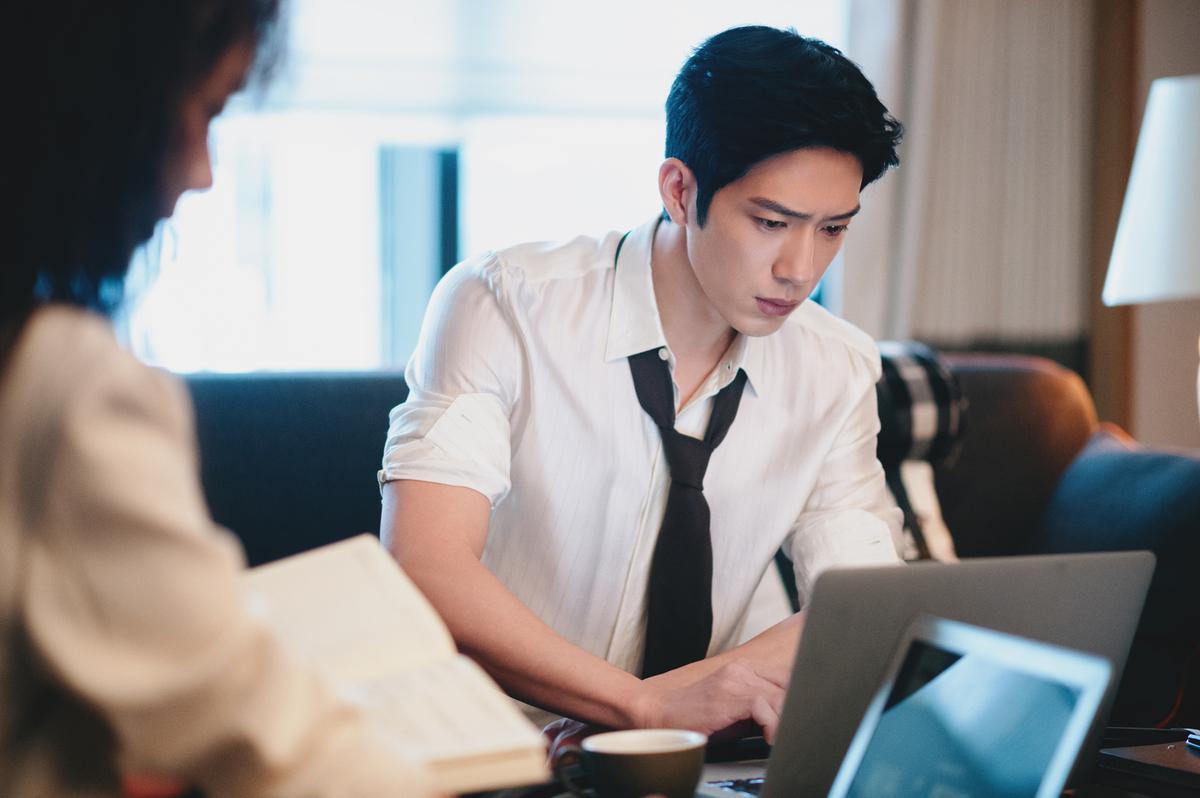
Jing Boran as Luan Nian in The Early Spring
Shang, played by Sun Qian, is a young girl who moves from Harbin, a Siberian border city, to Beijing to make a career in advertising. Her friendships with her male and female flatmates (somewhat reminiscent of Friends), her never-ending list of how to improve herself, her attempt to master English, excel at Excel, and desire to learn to drive are the aspirations of many young girls moving from smaller cities to metros such as Sydney, New York, Bengaluru or Singapore. The strength of The Early Spring, adapted from the web novel of the same name by author Gu Niang Bie Ku, is really that this can be a story from any global urban city, about any young couple.
“All of this feels universal. It is about work, ambition, relationships, but also about how people actually live, what offices and apartments look like in China and how the young navigate their lives,” explains Divya. “It is globally relatable, making it easy for international audiences to connect with.” For Sharma, it’s also the drama’s imperfect main leads. “I believe The Early Spring became globally popular because it showed the romance between two flawed individuals, and that is so relatable,” she says, adding, “K-dramas are missing such flawed protagonists.”
There is a marked difference between Chinese dramas from just a few years ago and now. Shows such as Love 020 (2016) and Meteor Garden (2018) glorified perfect, two-dimensional female leads: intelligent, beautiful, kind and self-sacrificial. Many popular shows also carried the flag overtly. Fireworks of My Heart (2023), for instance, had the uniform, the service, the nation always in the frame. “The actor Yang Yang is lovely, but so much of that show was nation first,” says Talwar. They even had corny lines like ‘We should be together because our professions match and we both serve the nation’.
But C-dramas such as First Frost (2025) or The Early Spring rely on pure story, on chemistry. They show modern Chinese workplaces, which are about photovoltaics (Shine on Me), game designers (Hidden Love), medical AI (The Love You Give Me), entrepreneurship (Love’s Ambition), and even traditional Chinese medicine (The Best Thing). Of course, the country is in the background but now more through eclectic professions, innovation spotlights, amazing infrastructure and landscapes rarely seen on screen.
Ladies first, always
The wuxia or traditional genre in dramas such as The Princess Weiyoung (2016) or The Story of Yanxi Palace (2018) is also shifting focus from concubines, inner palace harems and flying martial arts tricks to brave generals and empowered women. The imagery from Crouching Tiger, Hidden Dragon, though not obliterated, is fading.
Two decades ago, it would have been tough to imagine a character as independent and strong as Fan Changyu (played by Tian Xiwei in Pursuit of Jade) taking the centrestage. The not-so-literate female general, who is also a pig butcher, is the hero Marquis of Wu’an’s saviour on the battlefront. Changyu’s naive bumbling, matrilocal marriage proposal and her ‘dhai kilo ka haath’ (strong fists) are both funny and inspiring. The last time a Korean female character was so endearing was Extraordinary Attorney Woo’s Woo Young Woo (played by Park Eun Bin) in 2022.
“C-dramas are fleshing out their female characters. In ‘Overdo’ [2026], the female lead is a badass. She has agency, she is there wanting revenge. The ‘Tale of Rose’ [2024] follows a woman through the different stages of her life. These breakout stories seem to be missing from formula-driven K-dramas today.”Puja TalwarWriter who specialises in Korean pop culture
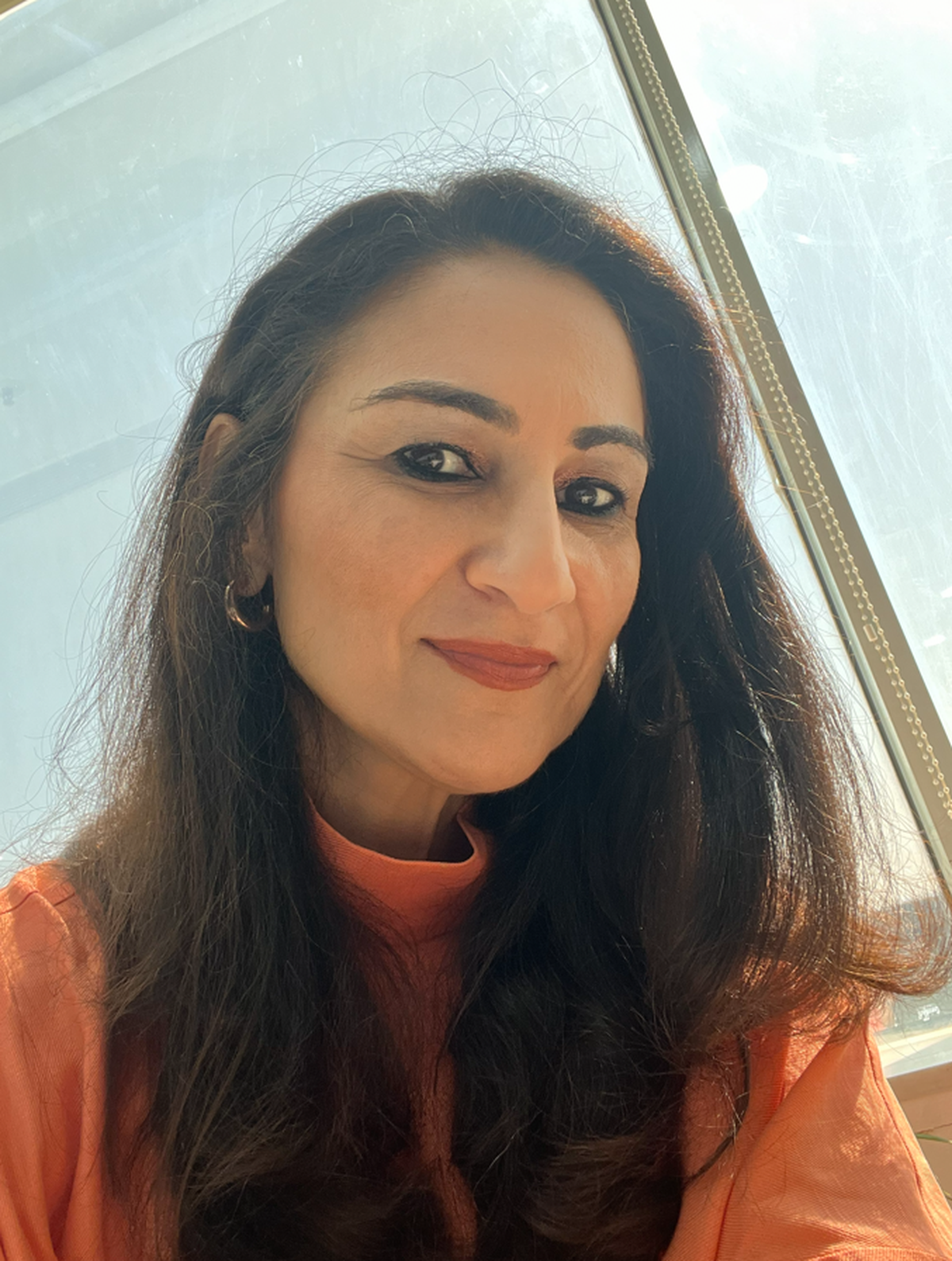
Puja Talwar
No longer are female characters mere romantic props in C-dramas. They own their careers and ambitions. Xu Chi (played by Zhao Jinmai) in Irreplaceable wants to buy back her mother’s home and believes that working in management consulting is the only way to earn big bucks. Others want to study abroad (in The Best Thing, a hotel housekeeping manager, Shen Xifan, played by Xu Ruohan, refuses to start a romantic relationship till she finishes her post-graduation in hotel management from Switzerland), and set up businesses (in Love’s Ambition Xu Yun, played by Zhao Lusi, starts a cultural fashion brand after her divorce) and move cities (in The Early Spring, Shang Zhitao leaves Beijing for Harbin and starts an events management company). “It does reflect real changes in society because Chinese women are very visible in universities and professional sectors. While television dramas are aspirational and show an exaggerated pace, some of this emancipation is a true reflection of how female success and independence are being supported,” says Divya.
The landscape rules
Modern C-dramas also want to showcase the country’s many locations — Harbin, Hangzhou, Macau, Hong Kong, northwestern China — not just Shanghai and Beijing. And even for shows set in its two famous cities, a little piece of native flavour and regional texture is thrown in. Lilongs or shikumens (lane houses with traditional courtyards) are central to the characters of Xiao Zhi Yu and Hu Xiu in Love Between Lines, which is set in Shanghai. The female protagonist of The Early Spring lives in a shared apartment located in Tiantongyuan, one of Beijing’s largest residential communities.
The camera lingers on commutes, two-wheelers zipping away, red banners on doors, congee recipes, discounted bread bought on the way home, and community kitchens where the old and the young mingle. Rather than products, what is being sold is the texture of everyday urban Chinese life — presented as something worth experiencing.
Asia rising
There are lessons to be learnt from how Asian countries are framing their culture, technology and tourism in their dramas to build an export engine. As Zerodha’s co-founder Nikhil Kamath stated in a recent social media post: “Korea exported culture. Then the world bought Korean… India has Bollywood, music, food, fashion, yoga and Ayurveda, a cultural moat very few countries can replicate. Maybe we need to stop thinking only about exporting products and start deliberately exporting India. Consumer brands will follow.”
The BRICS gala in Delhi in mid-September proved this point when Malaysian Prime Minister Anwar Ibrahim stood beside a piano and sang ‘Khwab ho tum ya koi haqeeqat’, from the 1965 classic Bollywood film Teen Deviyan. He paid homage not only to Kishore Kumar, the singer, but also to India’s soft power, showing how a 60-year-old song can still do magic.
The Delhi-based writer is a former journalist.