


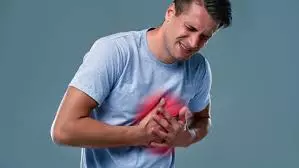

HEART ATTACK: The heart is the most important organ in our body. Heart function is very important to our life. But, most people do not even know what disease they have, and they neglect it until there are serious symptoms. This neglect can sometimes be fatal. However, the body gives some significant signs before heart disease and heart attacks. We should never ignore these signs.
Heart attack is not a sudden problem. Our body gives some signs from a few days before a heart attack. If you notice them immediately consult a doctor, you can escape fatalities. Associate Professor Dr Ajit Jain in the Cardiology Department at the Rajiv Gandhi Super Specialty Hospital in Delhi explained the features.
Discomfort in the chest
Any stress or discomfort in the chest is called angina in medical parlance. At this time it feels like choked and stress. When the heart has sufficient oxygen, it can cause pain in the chest. Many people ignore this stress. But if this is constant, there is a possibility of a heart attack.
Cold sweats, fatigue
Whenever it seems suddenly the dizziness, the doctor should meet the doctor immediately. Also, if you eat good food and sufficient rest, it may also be a symptom of heart problem. This can cause fatigue due to lack of blood circulation.
Trouble in breathing
Lungs are one of the most affected organs when the heart is reduced. When the blood supply to the lungs is reduced, the difficulty in breathing begins. This gives the brain less oxygen. It is also a sign of heart problem.
Fatigue, insomnia
If you are constantly fatigue even after a good diet and exercise, you should understand that the heart flow to the heart is reduced. This can also cause bumps in the arteries. Also, another important symptom of heart attack is insomnia. If you are not sleeping, there will be a variety of health problems. You should consult a doctor immediately if you have a problem of insomnia.
What to do if these symptoms appear?
Meet the doctor immediately: Contact a heart specialist or cardiologist.
Tests should be undertaken: Electrocardiogram (ECG) and blood tests should be done.
Change lifestyle: Eat healthy food, exercise regularly, reduce stress, and stop smoking.
Monitoring is important: If you have high blood pressure, diabetes, high cholesterol or a history of heart disease in the family, it is important to undergo tests.